Phone Bookings:
0141 459 0005
Clinic address:
22 Milnpark St
Kinning Park
G41 1BB
Email address:
ears@ukearcare.com

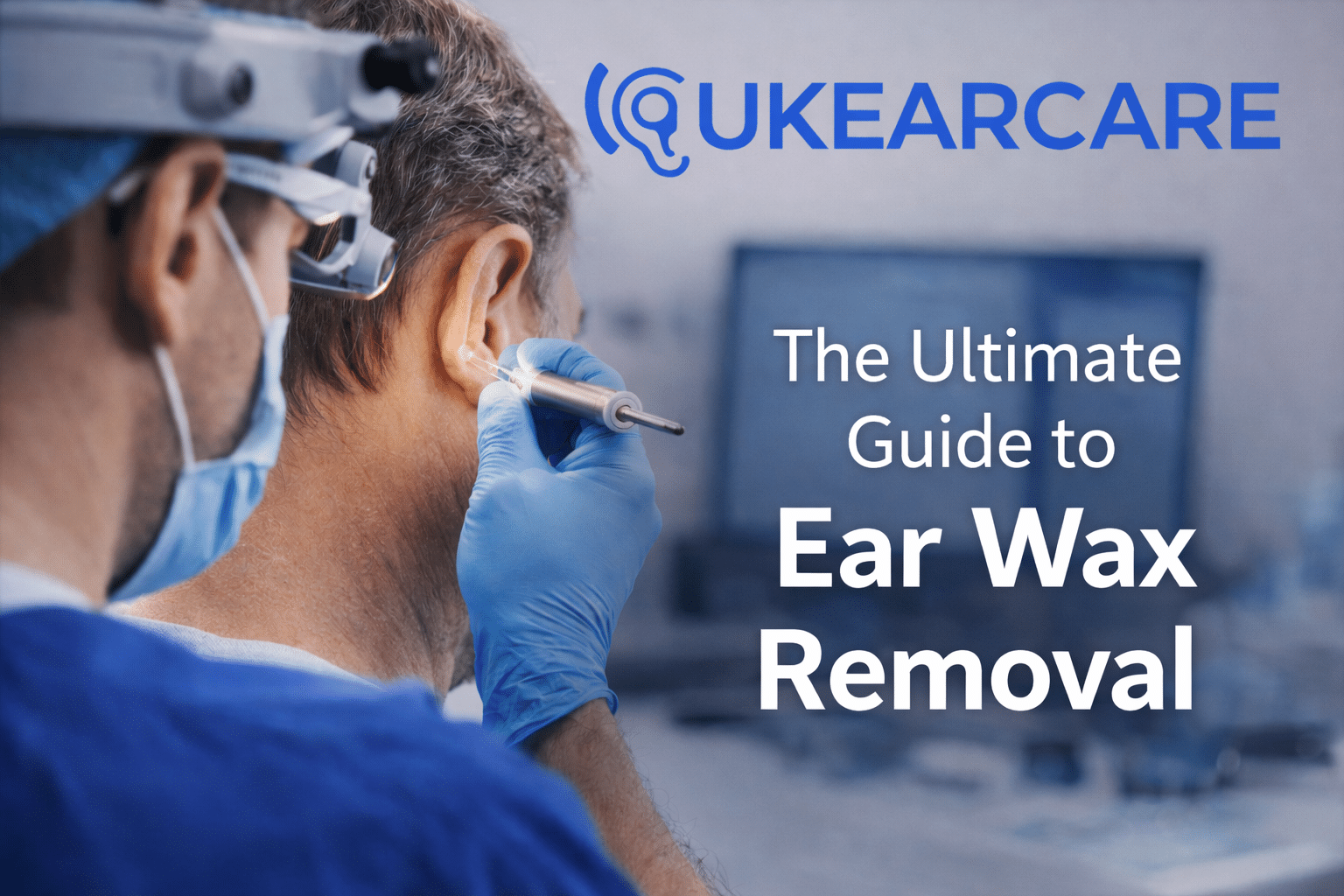
We often take our hearing for granted until something disrupts it. That sudden dullness, the frustrating ringing, or the feeling that you are listening to the world from underwater can be incredibly disorienting. More often than not, the culprit is something completely natural: ear wax.
While ear wax plays a vital role in keeping our ears healthy, too much of it can cause significant problems. Understanding when and how to remove it is essential for maintaining clear hearing and preventing discomfort. This guide covers everything you need to know about ear wax removal, from spotting the signs of a blockage to choosing the safest removal method.
Ear wax, medically known as cerumen, is not actually wax at all. It is a mixture of secretions from glands in the outer ear canal, combined with dead skin cells, hair, and dust.
Despite its somewhat unpleasant reputation, ear wax is a clever biological defence mechanism. It serves three main purposes:
In a healthy ear, wax is self-cleaning. It slowly migrates from the deeper part of the ear canal to the outer opening, assisted by jaw movements like chewing and talking. Once it reaches the outside, it dries up and falls out. However, this process doesn’t always work perfectly, leading to build-up.
How do you know if you have a blockage? You can’t see inside your own ear, but your body will usually give you clear signals. If you are experiencing any of the following symptoms, it may be time to seek professional help:
When it comes to clearing a blockage, there are several methods available. However, not all of them are created equal in terms of safety and effectiveness.
This is widely considered the gold standard for ear wax removal in 2026. Microsuction uses a gentle, medical-grade suction device to vacuum the wax out of the ear.
This is the traditional method involving flushing the ear with warm water to dislodge the wax.
Over-the-counter drops, such as olive oil or sodium bicarbonate, soften the wax.
The most common mistake people make is using cotton buds (Q-tips) to clean their ears. This is dangerous.
Cotton buds are wider than the ear canal. When you insert one, you might remove a small amount of surface wax, but you are likely pushing the bulk of the wax deeper towards the eardrum. This compacts the wax, making it harder to remove later, and risks perforating the eardrum.
It can be tempting to try and fix the problem at home, but the ear is an incredibly sensitive organ. The skin lining the ear canal is thin and easily damaged, and the eardrum is fragile.
Professional ear wax removal offers significant advantages:
If you have booked an appointment with UK Ear Care, a little preparation can make the process smoother and more comfortable.
No, modern methods like microsuction are generally painless. You may feel a gentle pulling sensation or hear a rushing wind noise during the procedure, but it should not hurt. If you feel any discomfort, your clinician will stop immediately.
There is no set rule, as everyone produces wax at different rates. Some people need removal every six months, while others may only need it every few years. If you wear hearing aids or earplugs regularly, you are more likely to need frequent removal.
You should only use ear drops (like olive oil) at home to soften the wax. Never insert solid objects like cotton buds, hairpins, or paperclips into your ear canal. Ear candles are also not recommended, as there is no clinical evidence they work and they carry a risk of burns.
Clear hearing is just an appointment away.
Don’t let blocked ears impact your quality of life. If you suspect you have a build-up of ear wax, trust the experts at UK Ear Care for safe, effective, and professional removal.
