Phone Bookings:
0141 459 0005
Clinic address:
22 Milnpark St
Kinning Park
G41 1BB
Email address:
ears@ukearcare.com

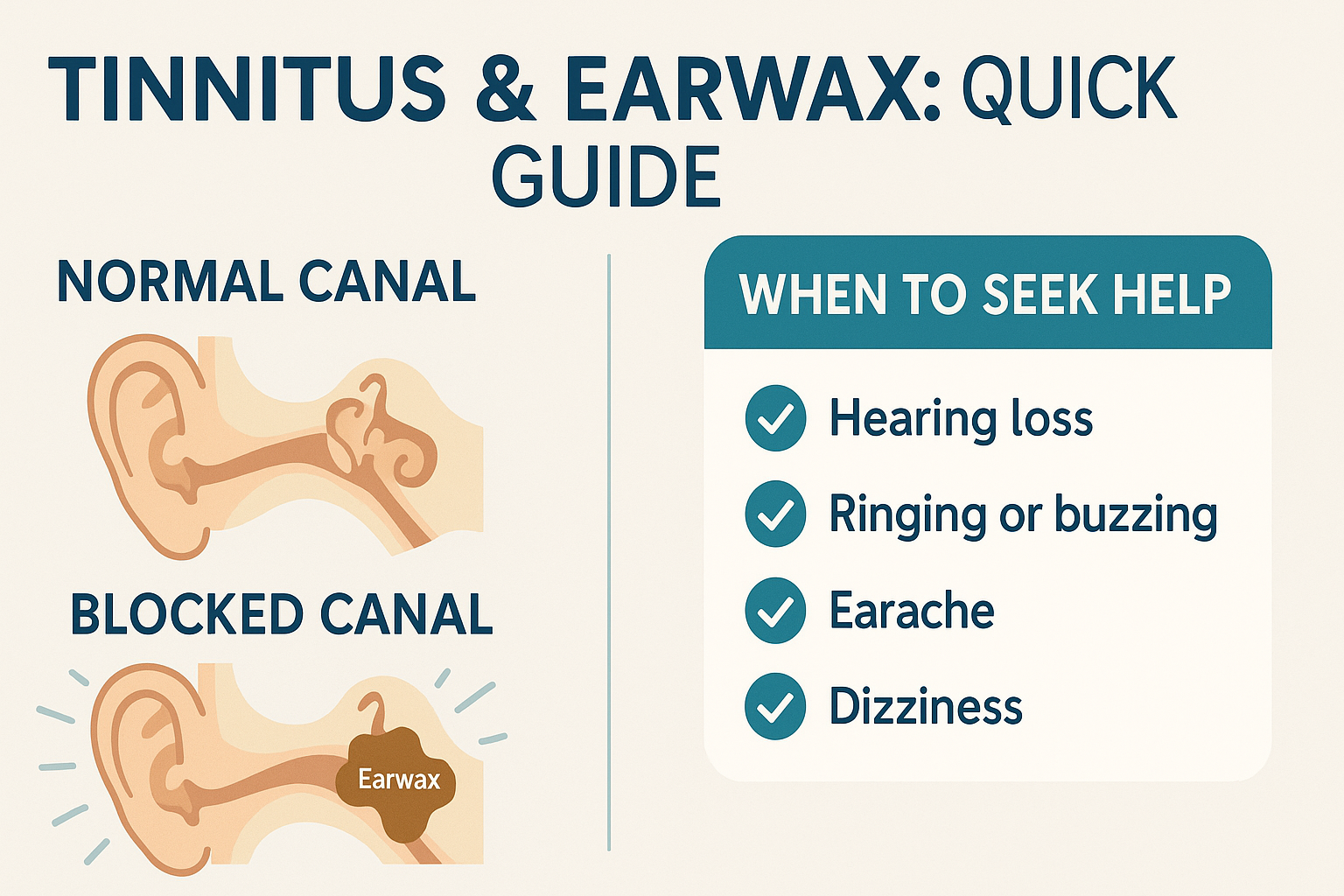
A persistent ringing, buzzing, or hissing sound in your ears can be distracting and concerning. This experience, known as tinnitus, affects millions of people. While its causes are varied, one of the most common—and treatable—triggers is impacted earwax. Understanding this connection is the first step toward finding relief.
This guide provides practical, no-nonsense advice on the link between earwax and tinnitus. We will explore how a simple wax blockage can lead to phantom sounds, when to seek professional help, and what you can expect from modern removal procedures available right here in Manchester and Glasgow.
Earwax, or cerumen, is a natural and necessary substance. It cleans, lubricates, and protects your ear canal from dust, debris, and bacteria. Normally, wax works its way out of the ear on its own. However, sometimes it builds up and becomes impacted, leading to a blockage.
When earwax completely blocks the ear canal, it can press against the eardrum and disrupt its normal function. This pressure can trigger nerve signals that the brain interprets as sound, even when there is no external noise. This is one of the primary ways impacted earwax can cause or worsen tinnitus.
Think of it like a seashell held to your ear. The shell doesn’t actually make a sound; it simply amplifies the quiet, ambient noises around you and the blood flowing in your ear. Similarly, an earwax plug can alter how you perceive sound, creating a ringing or buzzing that wasn’t there before. For many people, this tinnitus is temporary and resolves once the blockage is cleared.
While home care has its place, certain symptoms warrant a visit to a GP or an Ear, Nose, and Throat (ENT) specialist. Self-treating when a more serious issue is present can be ineffective and potentially harmful.
See your GP or an audiologist if you experience:
For residents in busy cities like Manchester and Glasgow, it can be challenging to get a quick GP appointment. Our dedicated audiology clinics offer a direct path to assessment and treatment for earwax-related concerns, helping you bypass the wait.
If impacted earwax is the culprit, microsuction is considered the safest and most effective method for removal. Unlike traditional syringing, which involves flushing the ear with water, microsuction is a dry procedure that gives the clinician a clear view of your ear canal at all times.
Here’s what you can expect during a microsuction appointment:
Our clinics in Glasgow’s West End and Manchester city centre are equipped with state-of-the-art microsuction technology, providing a comfortable and efficient solution to earwax blockage.
For many, removing an earwax plug brings instant relief. Sounds become clearer, the feeling of fullness disappears, and in many cases, the tinnitus fades away or vanishes completely. However, it’s important to have realistic expectations.
If your tinnitus continues weeks after the procedure, the audiologist can discuss the next steps, which may include a full hearing test, tinnitus counselling, or a referral to an ENT specialist.
Before a microsuction appointment, it helps to soften the earwax. This makes the removal process quicker and more comfortable. We recommend using olive oil-based ear drops.
How to use ear drops effectively:
Do this for 3-5 days leading up to your appointment. Avoid using cotton buds, as they tend to push wax deeper into the canal, making the problem worse. Also, steer clear of ear candles, as there is no scientific evidence they work, and they carry a risk of burns and ear canal damage.
Once your ears are clear, you can take simple steps to prevent wax from becoming impacted again.
Tinnitus caused by earwax is a solvable problem. By understanding the symptoms, seeking professional help when needed, and adopting safe preventive habits, you can protect your hearing and restore peace and quiet.
Ready to find out if earwax is behind your tinnitus? Our expert audiologists in Glasgow and Manchester are here to provide a clear diagnosis and gentle, effective treatment.
Book your earwax removal appointment today and take the first step towards clearer hearing.
